

The threshold on a sliding glass door is the bottom component of the door system, the sill, track, and weatherseal assembly that supports the door's movement and keeps wind and water out of your home. In a coastal Florida home, it is also one of the first parts of the door system to show wear because salt air, UV exposure, and wind-driven rain put demands on it that standard thresholds are not designed to handle indefinitely.
You might notice it for the first time after a heavy summer storm: a thin line of water along the inside of the door, right where the track meets the floor. Or the door starts dragging when it never used to. Or there is a gap along the bottom you can feel with your hand on a windy afternoon. On the Space Coast, these are not small inconveniences. They are the door telling you something worth paying attention to. This article explains what the threshold actually does, why Florida wears them out faster than most places, and what those warning signs honestly mean for your home.
What a Sliding Glass Door Threshold Actually Does
The threshold sits at the base of your sliding glass door and handles three jobs at once. It supports the door panels and guides them along the track as they open and close. It channels water away from the interior through drainage weep holes built into the sill. And it seals the gap between the door and the floor against wind, air, and rain.
Those three functions work together as a system. When any one of them starts to break down, the others are usually not far behind.
Why Florida Is Harder on Thresholds Than Most Places
A sliding glass door threshold in Brevard County faces conditions that thresholds in most of the country never encounter. Coastal salt air, intense UV exposure, year-round heat cycles, and seasonal storm pressure add up quickly, and they show up in the threshold before almost anywhere else on the door.
Salt Air and UV Take the Seal First
Salt air is corrosive to aluminum frames and oxidizes the track over time. The weatherseal along the bottom of the door, the rubber or vinyl strip that closes the gap between the door panel and the sill, breaks down under UV exposure faster in Florida than in cooler climates. Once that seal compresses, cracks, or pulls away from the frame, the threshold can no longer do its job.
This is not a sign of a low-quality door. It is what happens to every sliding glass door that has spent enough years on Florida's coast.
Wind-Driven Rain Is a Different Kind of Pressure
Florida's storm season brings something standard door seals are not built to handle: horizontal rain. When wind pushes rain directly onto the track rather than allowing it to fall vertically into the drainage system, even a threshold in decent condition can be overwhelmed.
A threshold that holds up fine in normal rain can start failing visibly once storm seasons begin putting that kind of lateral pressure on it, year after year.
Warning Signs Your Threshold Is Failing
These are the most common things Brevard and Indian River County homeowners notice before they call about a sliding glass door:
- Water on the floor inside the door after rain — drainage weep holes are blocked or the weather seal no longer channels water away from the interior
- The door is dragging, sticking, or jumping the track — the aluminum track has warped, corroded, or built up enough debris that the rollers can no longer clear it
- Visible rust, pitting, or corrosion on the frame or sill — salt air has worked into the aluminum, and the metal is breaking down
- Gaps along the bottom you can feel with your hand — the weather seal has compressed or pulled away and is no longer making full contact
- Drafts or rising energy bills despite a closed door — air is moving through the threshold, and your HVAC is working harder to compensate
Any one of these on its own might be a minor issue. More than one at the same time is the door telling you the whole system is worn.
Why a Threshold Problem Is Usually a Door Problem
Here is the honest answer most homeowners do not hear: the threshold does not fail on its own. It fails because the door system around it has been through the same years of heat, salt air, UV, and storm pressure. The frame, track, rollers, glass seal, and weather strip have all aged together.
Clearing a clogged weep hole or resealing a gap can buy a little time. But in a coastal Florida home where the door is already showing more than one sign of wear, a patch addresses the symptom without addressing the cause. The more useful question is not whether you can fix the threshold it is what that door is actually doing for your home during hurricane season right now.
An aging door with a worn threshold and standard glass is not the same protection as a properly installed replacement. Knowing that changes how you weigh the decision.
What Changes When You Replace the Whole Door

A replacement sliding glass door is not just new glass in an old frame. It is a complete system: threshold, sill, frame, track, rollers, weather seal, and impact-rated laminated glass, all certified and tested together as a single unit. As Florida's wind load requirements confirm, exterior openings in wind-borne debris regions like Brevard and Indian River Counties must be impact-resistant, and that rating applies to the full assembly, not just the glass.
The threshold on an impact-rated replacement door is built for wind-driven rain performance. It is tested to handle lateral water pressure, which actually shows up during a named storm on the Space Coast, not just standard vertical rainfall.
Beyond storm season, a properly installed replacement door seals the way an aging system no longer can. Less air coming in means less work for your HVAC and no more water on the floor after summer storms. For more on your options when it is time to replace, see Sliding Glass Door Alternatives: What to Choose Instead in Florida Homes.
Frequently Asked Questions
What is a sliding glass door threshold?
The threshold is the bottom component of a sliding glass door: the sill, track, and weatherseal system that supports the door's movement and seals the gap between the door and the floor. It channels water away through drainage weep holes and closes the home against wind and air infiltration when the door is shut.
How do I know if my sliding glass door threshold needs to be replaced?
If your door shows more than one of these signs at the same time, the threshold and the door system around it have typically reached the end of their useful life in a Florida coastal home:
- Water on the floor after rain, even when the door was closed
- The door is dragging, skipping, or jumping off the track
- Visible corrosion or pitting on the frame or sill
- A gap along the bottom you can feel by hand
- Energy bills are rising with no other obvious cause
A single sign can sometimes be addressed on its own. Multiple signs indicate that the door system has aged overall and is ready for replacement.
How much does it cost to replace a sliding glass door in Brevard County?
Pricing depends on door width, frame material, glass package, and the specific opening being replaced. Rather than a range that may not reflect your home, the most accurate number comes from a free in-home assessment. Sunset View provides no-pressure quotes with no obligation, so you know exactly what replacement costs are before making any decision.
Can you replace just the threshold on a sliding glass door?
A worn weather seal or clogged drainage channel can sometimes be addressed on its own. But in a Florida coastal home where the threshold is showing significant wear, the frame, track, and seals have typically undergone the same aging. A threshold-only fix often addresses the visible symptom without changing the underlying condition of the door system.
How long should a sliding glass door last in Florida?
It depends on the product, the installation, and the amount of coastal exposure the door has experienced. What most Brevard County homeowners find is that after enough years of salt air, UV, and storm seasons, a standard sliding glass door starts showing wear in the threshold and seals well before the glass itself becomes an issue. An impact-rated replacement door, properly installed, is built for those conditions from the start.
What is the difference between a standard and impact-rated sliding glass door threshold?
A standard threshold is designed for normal weather: vertical rain, foot traffic, and everyday use. An impact-rated threshold is part of a certified door assembly tested to handle wind-driven rain, sustained hurricane-force wind pressure, and debris impact as a complete unit. The threshold, frame, glass, and seals are certified together, which makes the Florida Product Approval rating valid for the entire door.
Why Brevard and Indian River County Homeowners Choose Sunset View
When a sliding glass door is ready to be replaced, the installation matters as much as the product. The threshold needs to be set correctly, the frame sealed properly, and the door aligned so it performs as it was certified to perform. That work depends entirely on the crew who shows up and who is accountable for it afterward.
Sunset View installs every door in-house. No subcontractors are brought in for your job. The same installers who fit your door are the ones Sunset View sends back if you ever need them, and that direct accountability is what makes a 10-year workmanship warranty possible. A standard one-year workmanship warranty is common across the industry. Sunset View stands for a decade.
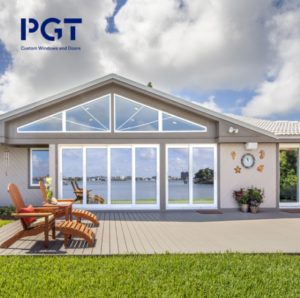
For sliding glass doors, Sunset View installs PGT, CWS, and Velocity models brands built specifically for Florida's coastal conditions. Combined with in-house installation and nearly 20 years of serving Brevard and Indian River Counties, every replacement is designed to hold up on the Space Coast.
Sunset View is a veteran-owned and family-operated windows and doors company. If your door is showing the signs described in this article, Sunset View offers a free, no-pressure assessment to help you understand what you are working with before you make any decision.