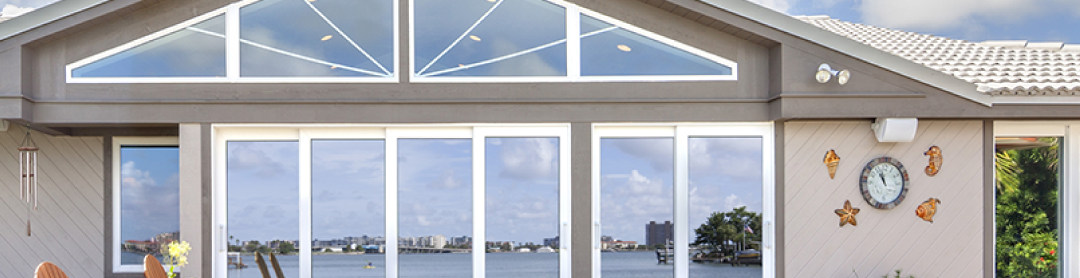
The difference between picture and casement windows is simple. Picture windows are fixed and designed for maximum light and views, while casement windows are like picture windows but they open outward to provide ventilation and flexibility.
If you are deciding between picture vs casement windows, the right choice depends on how you want the space to function. Some rooms benefit most from airflow, while others benefit from uninterrupted views. This guide explains the differences clearly so you can choose with confidence.
Picture vs Casement Windows at a Glance
- Picture windows do not open and are designed to maximize natural light and views.
- Casement windows open outward and provide excellent ventilation.
- Picture windows are usually less expensive than casement windows because they have no moving hardware.
- Casement windows cost more due to hinges, cranks, and locking systems.
- Many homes combine picture and casement windows in the same opening.
What Is the Difference Between a Picture Window and a Casement Window?
The main difference between a picture window and a casement window is that a picture window is fixed, while a casement window opens.
Picture windows are stationary panes of glass that frame outdoor views and bring in daylight. Casement windows are hinged on the side and open outward using a crank, allowing fresh air into the home.
This difference affects ventilation, cost, and how the window is used day to day.
| Feature | Picture Window | Casement Window |
| Opens for ventilation | No | Yes |
| Average installed cost | $400–$1,000 | $600–$1,400 |
| Energy efficiency | Very high | Very high |
| Maintenance | Very low | Moderate (hardware) |
| Best use | Views and light | Airflow and comfort |
What Is a Picture Window?
A picture window is a large, fixed window designed to showcase views and let in as much natural light as possible.
Because picture windows do not open, they:
- Offer unobstructed views
- Maximize daylight
- Have fewer parts that can wear over time
- Seal tightly when installed correctly
Picture windows are commonly used in living rooms, dining areas, or anywhere ventilation is not a priority.
What Is a Casement Window?
A casement window is an operable window that opens outward on side hinges using a crank handle.
Casement windows are known for:
- Strong airflow and ventilation
- Tight seals when closed
- Clean, contemporary appearance
- Ability to catch breezes from different directions
Because the entire sash opens, casement windows allow more airflow than many other window styles.
Are Picture Windows Cheaper Than Casement Windows?
Yes. Picture windows are generally cheaper than casement windows.
On average:
- Picture windows cost $600 to $1,000 installed
- Casement windows cost $800 to $1,400 installed
The price difference exists because picture windows do not require hinges, cranks, or locking mechanisms. Casement windows cost more due to added hardware and reinforcement, not because they are lower quality.
How Window Size Affects Cost
Window size can influence price just as much as window style. In many cases, a larger fixed window can cost more than a smaller operable window, even though picture windows do not open.
As a general pricing guide:
- Large picture windows often cost $900 to $1,500 installed
- Smaller casement windows typically range from $600 to $900 installed
The reason comes down to materials, structural requirements, and installation complexity.
Why Larger Windows Cost More
Larger window openings require:
- More glass, including thicker or reinforced panes
- Stronger framing to support the weight of the window
- Additional labor to safely install and seal the unit
- Potential structural reinforcement, especially in wide or tall openings
Picture windows are frequently installed as wide, uninterrupted panes. As width and height increase, both material and handling costs rise, even though the window itself is fixed.
Installation Complexity Matters
Installing a large window is more labor intensive than installing a smaller one. Wide picture windows may require:
- Multiple installers for lifting and placement
- Specialized equipment for handling large glass panels
- More time spent on leveling, sealing, and securing the frame
In some cases, large openings may also require framing adjustments or structural headers, which can further increase cost.
Size vs Style: What This Means for Your Budget
Because of these factors, window size can outweigh window style in total cost. A large picture window designed to maximize views may cost more than a smaller casement window that opens for ventilation.
This is why pricing is always evaluated by both size and function, not by window style alone. A professional assessment helps determine whether a larger fixed window, a smaller operable window, or a combination of both makes the most sense for your space and budget.
What Is the Downside of Casement Windows?
The main downside of casement windows is their reliance on mechanical parts.
Because casement windows open with hinges and cranks:
- Hardware may require maintenance over time
- Repairs can be more involved than with fixed windows
- Exterior clearance is needed for the window to open fully
When closed, however, casement windows seal tightly and perform very well.
Are Picture Windows Still in Style?
Yes, picture windows are very much still in style.
Picture windows remain popular because they:
- Create bright, open interiors
- Highlight outdoor views
- Fit well in modern and traditional homes
- Pair naturally with operable windows
They are especially common as centerpiece windows with operable styles placed beside them.
Picture vs Casement Windows for Energy Efficiency
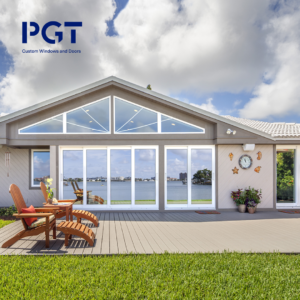
Both picture and casement windows can be energy efficient when properly specified and installed.
Picture windows are naturally efficient because they do not open, reducing potential air leakage. Casement windows are also highly efficient because their design allows the sash to press tightly against the frame when closed.
Energy performance depends more on glass type and installation quality than window style alone.
When Picture Windows Make the Most Sense
Picture windows are a strong choice when:
- Natural light is a top priority
- You want uninterrupted views
- Ventilation is not needed in that location
- The window will serve as a visual focal point
They are often used in combination with operable windows for balance.
When Casement Windows Make the Most Sense
Casement windows are a good option when:
- Ventilation is important
- You want to control airflow
- The window is easy to reach and operate
- A modern look fits the space
They work especially well in kitchens, bedrooms, and living areas where airflow improves comfort.
How to Decide Between Picture vs Casement Windows
The best way to decide between picture and casement windows is to think about how the room is used.
Consider:
- Whether airflow is important
- How often the window will be opened
- Whether the view is a priority
- How the window fits into the overall layout
A professional consultation can help you evaluate these factors based on your home.
Ready to See What Works Best in Your Home?
Choosing between picture and casement windows is easier when you can see the options in your own space. A professional consultation helps you compare layouts, understand airflow and light needs, and select windows that fit both your home and your priorities.
If you would like clear guidance without pressure, schedule a free window consultation to review your options and get answers tailored to your home.