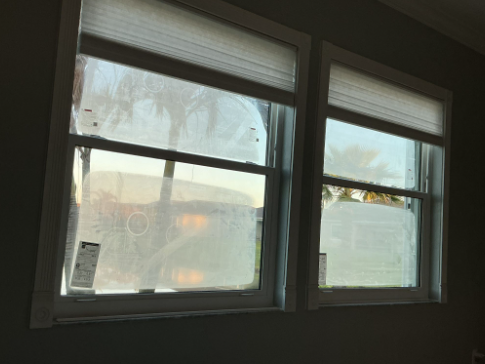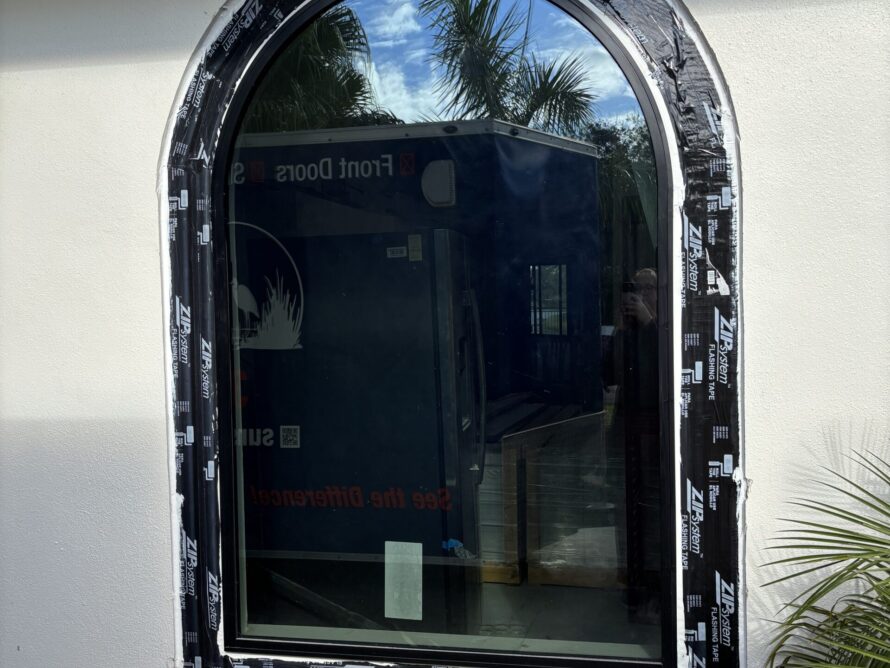
You walk through your living room on a July morning, and the bottom of your windows is wet. Before you start worrying about a leak or a broken seal, there's something most generic homeowner guides won't tell you: in Florida, the most common type of window condensation is actually a sign your windows are doing exactly what they should.
Condensation on windows in Florida doesn't follow the same rules as the rest of the country, and most of the content you'll find online was written for cold-climate homes where the physics work in reverse. Here, the outdoor air is the hot, humid variable, and your air conditioning is what creates the temperature differential. Understanding that changes everything about how you read moisture on your glass.
This guide explains the three types of window condensation, what each one means in Florida's specific climate, and when it's time to stop managing humidity and start thinking about replacement.
What Is Window Condensation?
Condensation forms when a surface drops below the dew point of the surrounding air, which is the temperature at which water vapor converts to liquid. It's the same reason a cold glass sweats on a humid afternoon, or why your car windows are wet on a summer morning even without rain.
In most of the country, this happens in winter. Cold outdoor temperatures chill the interior glass surface, indoor air carries warm moisture, and condensation forms on the inside of the window. In Florida, the opposite scenario prevails for most of the year: your air conditioning keeps the interior cool while outdoor air has 75 to 90% relative humidity from June through October.
That reversal is why most of what you read about window condensation doesn't apply here, and why exterior condensation in Florida is often completely normal.
The Three Types of Window Condensation: What Each One Tells You
Where the moisture appears is the single most important diagnostic. Each type has a different cause, a different implication, and a different response.
| Location of Condensation | What It Means | Should You Be Concerned? | Likely Cause |
| Inside of glass | Indoor humidity issue | No (usually normal) | High indoor humidity + cool glass |
| Outside of glass | Normal in Florida | No | High outdoor humidity + temperature difference |
| Between panes | Possible window failure | Yes | Seal failure in insulated glass unit |
| Appears/disappears daily | Environmental condition | No | Temperature and humidity changes |
| Constant or worsening | Needs evaluation | Yes | Poor ventilation or excessive moisture |
Why Exterior Condensation Is Actually a Performance Signal
This one genuinely surprises most homeowners: the better your windows insulate, the more likely you are to see exterior condensation on Florida summer mornings.
Here's the building science behind it. Impact-resistant windows are designed to minimize heat transfer between indoors and outdoors. When your AC runs through the night, the interior glass stays cool. The exterior glass surface is separated from that cooled interior by the insulated glass unit, so it holds its temperature independently. On a humid Florida morning, even a slight overnight temperature drop can push that outer surface below the outdoor dew point.
It evaporates on its own. No damage, no action needed.
When Interior Condensation Is a Warning Sign
If moisture is forming on the inside of your windows and staying there, your indoor humidity is running too high for your current windows to handle without hitting the dew point.
The EPA's guide to mold and moisture in homes recommends keeping indoor relative humidity between 30% and 50% to prevent mold growth and moisture damage. Florida's outdoor air typically has 70 to 90% relative humidity throughout most of summer, which means active management is required.
Conditions that commonly drive interior condensation in Florida homes:
- Indoor humidity consistently above 60% relative humidity
- Inadequate exhaust ventilation in bathrooms and kitchens
- An oversized HVAC system that short-cycles, cooling quickly without running long enough to dehumidify
- Older or single-pane windows with lower interior surface temperatures
If you're seeing regular interior condensation, check your humidity levels before assuming it's a window problem. But if your windows are old, that's a contributing factor worth addressing.
How to Reduce Interior Condensation in Your Florida Home
Most interior condensation in Florida homes responds to a combination of behavioral adjustments and mechanical fixes. Start here:
Manage humidity at the source:
- Run bathroom and kitchen exhaust fans during use and for 15 to 20 minutes afterward
- Confirm dryer vents exhaust directly outdoors, not into a wall cavity or attic space
- Keep shower doors or curtains open after use to allow faster drying
Improve ventilation and air circulation:
- Run ceiling fans to keep air moving across glass surfaces, since moving air reduces surface condensation
- Check that HVAC return vents are unobstructed throughout the home
- Have your AC system serviced if it short-cycles or if humidity stays high even when the temperature feels comfortable
Monitor and control your indoor humidity:
- Use a hygrometer (available at any hardware store) to track indoor relative humidity in real time
- Target below 60%, ideally 45 to 55% for Florida coastal conditions
- A whole-home dehumidifier integrated with your HVAC system is the most effective long-term solution for chronically humid interiors
Evaluate your windows:
- Single-pane or aging double-pane windows have significantly lower interior surface temperatures, making them far more prone to condensation
- Modern impact-resistant windows raise the interior glass surface temperature, which directly reduces the likelihood of hitting the dew point indoors
- Proper installation matters as much as the window itself, since air infiltration at poorly sealed frames is a major pathway for outdoor humidity to enter your home
If you're at the point of evaluating window options, our guide to hurricane impact window installation covers the replacement process and what to expect from a properly installed unit in a Florida home.
Between-Pane Fogging: The One Type That Requires Replacement
If the condensation is trapped between the panes and won't wipe away, you're not dealing with a humidity problem. You're dealing with a window that has structurally failed.
A failed insulated glass unit means:
- The thermal barrier between panes is gone, and the window now performs closer to single-pane glass
- Your cooling system is working harder to compensate for the heat transfer the window is no longer blocking
- The fogging will continue to worsen and cannot be reversed
This situation calls for complete window replacement with a Florida Product Approval certified unit, not a repair, not a glass insert. If you have multiple windows showing between-pane fogging, addressing them together is typically more cost-effective than replacing them one at a time.
For a realistic picture of what that investment looks like in Brevard and Indian River Counties, our average cost of impact windows in Florida guide breaks down the full range by window type and project size.
How Impact-Resistant Windows Change Your Condensation Profile
Replacing old windows with modern, impact-resistant units changes two factors that directly affect condensation.
The interior glass surface runs warmer. Modern insulated glass units maintain a higher interior surface temperature than older or single-pane glass. A warmer glass surface is farther from the indoor dew point, so interior condensation becomes significantly less likely after replacement, even at the same indoor humidity level.
The air seal is tighter. One of the less visible ways outdoor humidity enters Florida homes is infiltration at window frames: gaps in aging seals, compressed weatherstripping, or improperly installed units that never fully sealed. Our in-house team installs to the specific requirements of your home's construction type, whether block or wood frame, so the air seal performs as intended from the first day the windows go in.
You may still see exterior condensation on summer mornings after your new windows are installed. That's expected and normal. It means the insulation is doing its job and it'll be gone before you've had your first cup of coffee.
If you're weighing whether new impact windows make sense beyond just storm protection, Are Hurricane Windows Worth It? covers energy savings, insurance benefits, and what realistic expectations look like for homes in our service area.
Frequently Asked Questions
Why are my windows sweating on the outside in Florida?
Exterior condensation in Florida forms when warm, humid outdoor air meets a glass surface that cooled overnight below the outdoor dew point. This is most common in summer and is a sign your windows are insulating effectively. It clears on its own as the day heats up and requires no action.
Is window condensation always a problem?
No, it depends entirely on where it appears. Exterior condensation is typically normal in Florida's climate. Interior condensation signals excess indoor humidity and needs to be managed. Between-pane condensation, where fogging is trapped inside the glass unit, indicates seal failure and requires complete window replacement.
What indoor humidity level should I maintain in Florida?
The EPA recommends keeping indoor relative humidity between 30% and 50% for general health and mold prevention. In Florida's coastal climate, staying below 60% is the realistic primary target, with 45 to 55% as the ideal range if your HVAC and ventilation systems can sustain it through the summer months.
Will new impact windows stop condensation?
Modern impact-resistant windows raise the interior glass surface temperature and eliminate infiltration gaps at the frame, both of which reduce interior condensation directly. However, if indoor humidity is chronically high, windows alone won't fully solve the problem. HVAC performance and ventilation management are essential alongside the window upgrade.
What does fogging between the window panes mean?
Between-pane fogging means the seal on the insulated glass unit has failed. Humid air has entered the sealed space, the insulating gas has escaped, and the window has permanently lost its thermal performance. This cannot be repaired; the window needs to be replaced with a new unit.
Can condensation lead to mold in a Florida home?
Yes. The Florida Department of Health identifies excess indoor moisture as the primary condition enabling mold growth in Florida homes. Recurring interior condensation on window frames, sills, and surrounding trim provides exactly the moisture environment mold needs. Addressing the condensation source, whether through humidity control, ventilation improvements, or window replacement, is the most effective prevention.
If Your Windows Are Sweating, Here's Your Next Step
Most window condensation in Florida is diagnosable in under a minute once you know what you're looking at.
Exterior condensation on summer mornings: leave it. That's your windows performing.
Interior condensation: start with indoor humidity. If it's consistently above 60%, the solution begins with ventilation and HVAC management. If your windows are old or single-pane, they're amplifying the problem and shortening the path to a real fix.
Between-pane fogging: that's a failed window. Every month it stays, you're losing thermal performance and paying more to cool your home.
At Sunset View Windows & Doors, we work with homeowners across Brevard and Indian River Counties who are sorting through exactly these questions. Our in-house team can assess whether your windows are contributing to a condensation problem and give you a straight answer on what your home actually needs, without the pressure.
Schedule a free consultation, and let's take a look.