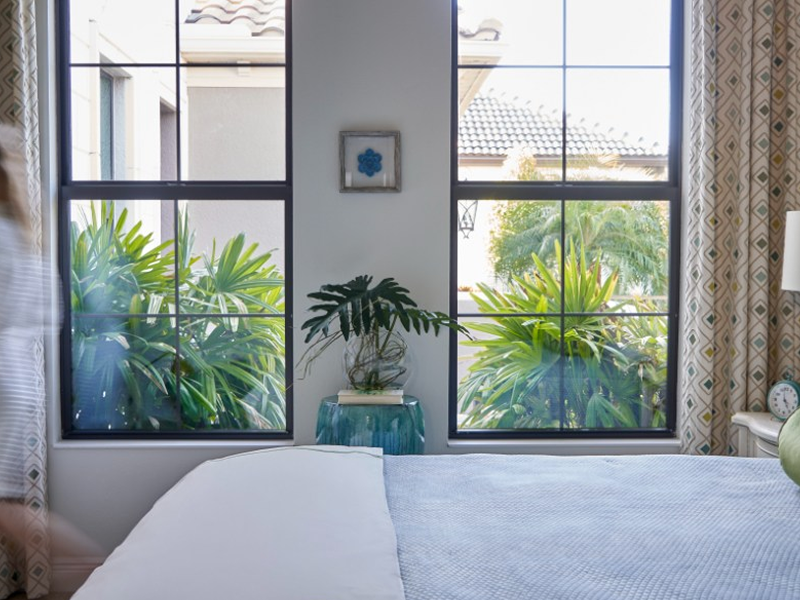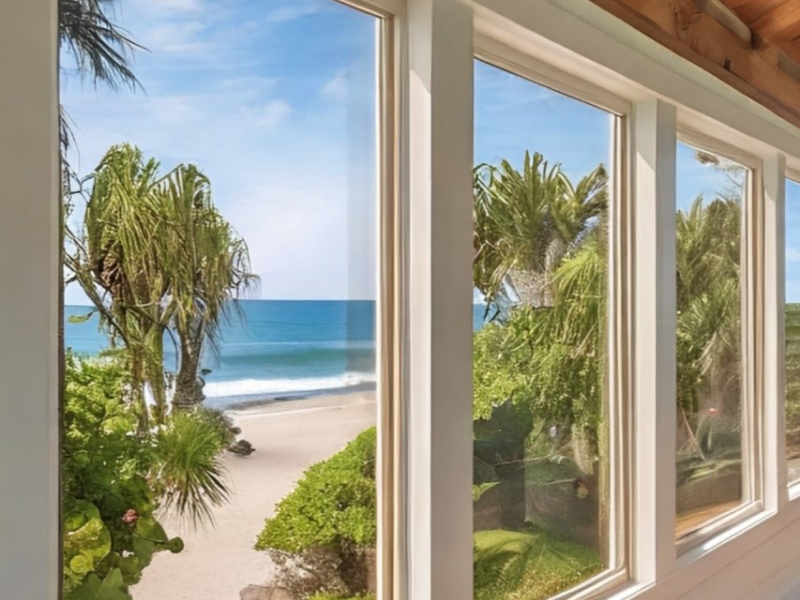
Old clear glass lets most of the sun's heat and UV rays pass straight into your home, while Low-E glass is engineered to block most of both while still letting light in. If you've ever sat near a window on a Florida afternoon and felt the heat radiating off it despite the AC running full blast, or noticed a rug or piece of furniture that's faded more on the side facing the window, that's your current glass at work. Here's what's actually happening with the glass you have now, and what changes once it's replaced.

What Your Old Clear Glass Is Actually Doing Right Now
Windows make up a small share of your home's exterior, but a disproportionate share of its heat gain and loss, and older clear glass has no defense against it. According to ENERGY STAR, windows account for roughly 8% of a home's exterior surface but around 45% of its total heat gain or loss. Older single-pane windows, and even older dual-pane windows without any coating, simply don't have anything built in to block solar heat before it enters the room.
That's not a flaw in how the glass was made. It's just what clear, uncoated glass does by nature. It wasn't designed to filter anything out, only to let light through, which is measured by SHGC and U-Factor, the two ratings that determine how much heat and light actually get through a window.
What Changes the Day You Switch to Low-E Glass
Low-E glass adds an engineered layer that reflects a large share of solar heat before it ever transfers into your home, while still keeping the room bright. According to the National Fenestration Rating Council's consumer guide, Low-E coatings keep up to 70% of heat outside during summer and inside during winter, compared to uncoated glass.
That's the core difference. Your old windows let heat move through freely, whether it's summer sun pushing in or winter warmth escaping. Low-E glass works both seasons to keep the temperature you're paying for on the correct side of the glass.
Can You Actually Feel the Difference Near a Window?
Yes, most homeowners notice a real difference in comfort near their windows after switching to Low-E glass. Old clear glass creates hot spots near windows on sunny afternoons and cold spots in the evening as heat radiates back out, which is why a room can feel uneven even when the thermostat reads the same everywhere.
Low-E glass evens that out in both directions. Rooms with south and west exposure, which receive the most direct Florida sun, tend to show the most noticeable changes.
What Happens to Fading Furniture, Floors, and Rugs?
UV exposure through old clear glass is the main reason furniture, flooring, and artwork fade near windows over time, and Low-E glass significantly reduces that effect. PGT's own glass filters 99% of the sun's harmful UV rays, and according to the NFRC consumer guide, Low-E coatings can reduce fading damage to carpets, wood floors, and furniture by up to 75% compared to uncoated glass.
A faded stripe on a rug or a couch cushion that's noticeably lighter than the rest is usually UV doing its work through glass that was never built to stop it.
Does Low-E Glass Look Any Different From Clear Glass?
No, Low-E glass looks the same as clear glass to the eye. The coating is designed to be optically invisible, so you get the same clarity and natural light you're used to, just without as much heat and UV riding along.
What Switching to Low-E Glass Does Not Change
Low-E glass will not noticeably dim your rooms, and it isn't what makes a window impact-rated or eligible for an insurance discount on its own. Visible light still passes through at close to the same level as clear glass, so your home stays just as bright. Impact resistance comes from the window's frame and laminated construction, not the coating. And a wind mitigation insurance discount still requires a licensed inspection and a submitted form, regardless of the glass package installed.
Frequently Asked Questions
What's the difference between Low-E glass and clear glass?
Clear glass has no coating and lets nearly all solar heat and UV pass through unchecked. Low-E glass has a thin, optically invisible coating that reflects most of that heat and UV while still letting in visible light.
Is it worth replacing old clear glass with Low-E glass?
For most Florida homes, yes, particularly in rooms with direct sun exposure. The combination of reduced cooling costs, up to 30% lower energy costs with a full window replacement, less UV-driven fading, and more even indoor comfort adds up over the life of the windows.
Does Low-E glass block all the heat from a window?
No, it reduces heat transfer significantly rather than eliminating it entirely. Up to 70% of solar heat is kept outside in summer conditions, but a window will still transfer some heat compared to a solid wall.
Will Low-E glass make my rooms darker?
No. The coating doesn't meaningfully reduce visible light, so rooms stay just as bright as they were with clear glass.
Can I add a Low-E coating to my existing clear glass windows instead of replacing them?
No. Low-E coating is applied during glass manufacturing and isn't something added to windows already installed in a home. It comes as part of a new, complete window replacement.
Why Brevard and Indian River County Homeowners Choose Sunset View
The glass in your windows works quietly in the background every day, whether it's helping your home or working against it. Sunset View installs Low-E impact glass as standard on every window package, backed by a 10-year workmanship warranty and an in-house team that handles the entire job from measurement to final inspection. As an authorized PGT Gold & Platinum Certified Dealer, this veteran-owned, family-operated company has served Brevard and Indian River County homeowners since 2006, with financing available and a no-pressure process focused on answering your questions honestly. If you're curious what a Low-E upgrade would actually feel like in your home, contact Sunset View to find out.